Padma Vibhushan Vikram Sarabhai, the father of the Indian space program, the founder of ISRO.
విక్రం అంబాలాల్ సారాభాయి(Vikram Ambalal Sarabhai) (ఆగస్టు 12, 1919 – డిసెంబరు 30, 1971) భారతదేశపు భౌతిక శాస్త్రవేత్త.
భారతదేశపు అంతరిక్ష పరిశోధనా వ్యవస్థకు ఆద్యుడు విక్రమ్ అంబాలాల్ సారాభాయ్. ఈయనను భారత అంతరిక్ష పరిశోధనా వ్యవస్థకు పితామహుడిగా అభివర్ణిస్తారు. సారాభాయ్ అకుంఠిత దీక్ష మరియు అంకితభావం వలననే... ఈ రోజు భారతదేశం విదేశీయుల ఉపగ్రహాలను కూడా నియమిత కక్ష్యలోకి ప్రవేశపెట్టగల స్థితికి చేరుకుంది. భారత రోదసీ చరిత్ర మూలపురుషుడిగా కీర్తి గడించిన విక్రమ్ సారాభాయ్ గుజరాత్ రాష్ట్రంలోని అహ్మదాబాదులో 1919వ సంవత్సరం ఆగస్టు 12వ తేదీన జన్మించారు. అంబాలాల్ సారాభాయ్, సరళాదేవి దంపతులకు కలిగిన ఎనిమిదిమంది సంతానంలో విక్రమ్ సారాభాయ్ ఒకరు. ఎన్నో మిల్లులు కలిగి ఉన్న అంబాలాల్ అప్పట్లో అహ్మదాబాదులో పేరుపొందిన పారిశ్రామికవేత్తగా పేరుపొందారు.
విక్రమ్ తల్లి సరళాదేవి తన ఎనిమిదిమంది పిల్లల్ని చదివించేందుకు మాంటిస్సోరీ తరహాలో ఒక ప్రైవేటు పాఠశాలను ఏర్పాటుచేశారు. వీరి కుటుంబం స్వాతంత్ర్యోద్యమంలో క్రియాశీలకంగా పాల్గొంటూ ఉండటం మూలాన వారింటికి తరచుగా మహాత్మాగాంధీ, మోతీలాల్ నెహ్రూ, రవీంద్రనాథ్ ఠాగూర్, జవహర్లాల్ నెహ్రూ... తదితర ముఖ్య నాయకులందరూ వస్తుండేవారు. వీరందరూ విక్రమ్ సారాభాయ్ వ్యక్తిత్త్వాన్ని ఎంతగానో ప్రభావితం చేశారనటంలో అతిశయోక్తి లేదు
అహమ్మదాబాదులోని గుజరాత్ కళాశాలలో మెట్రిక్ విద్యను పూర్తి చేసుకున్న విక్రమ్ సారాభాయ్... తరువాత పై చదువుల కోసం ఇంగ్లండులోని కేంబ్రిడ్జి విశ్వవిద్యాలయానికి వెళ్లారు. 1940వ సంవత్సరంలో అక్కడ నాచురల్ సైన్సెస్లో ట్రిపోస్లో ఉత్తీర్ణులయ్యారు.
ఆ సమయంలో రెండవ ప్రపంచయుద్ధం ప్రారంభం కావటంతో భారతదేశానికి తిరిగివచ్చిన విక్రమ్ సారాభాయ్... బెంగళూరులోని ఇండియన్ ఇనిస్టిట్యూట్ ఆఫ్ సైన్స్లో సర్ సీ.వీ.రామన్ పర్యవేక్షణలో కాస్మిక్ కిరణాలపై పరిశోధన మొదలుపెట్టారు. తదనంతరం రెండో ప్రపంచ యుద్ధం ముగిసిన తరువాత 1945వ సంవత్సరంలో తిరిగీ కేంబ్రిడ్జి యూనివర్సిటీకి వెళ్లి పీహెచ్డీ పట్టాను సాధించుకుని 1947లో తిరిగి భారత్ చేరుకున్నారు.
ఈ క్రమంలో భారత అంతరిక్ష ప్రయోగాలకు విక్రమ్ సారాభాయ్ పునాదులు వేశారు. 1947 నవంబర్లో అహ్మదాబాదులో భౌతిక శాస్త్ర పరిశోధనాలయం ఏర్పాటు చేయడంలో ఆయన ముఖ్యపాత్ర వహించాడు. 1957లో రష్యా మొట్టమొదటి శాటిలైట్ అయిన స్పుత్నిక్ను ప్రయోగించినపుడు... భారత భవిష్యత్ అవసరాలకు శాటిలైట్ల అవసరం గురించి ఎంతో విషయ సేకరణ చేయటమేగాకుండా, ఆ శాటిలైట్ యొక్క ఆవశ్యకతను అప్పటి ప్రధానమంత్రి అయిన జవహర్లాల్ నెహ్రూకు వివరించి, ఆయనను ఒప్పించారు సారాభాయ్. ఆ తరువాత 1962లో భారత అణు శక్తి వ్యవస్థ పితామహుడయిన హోమీ బాబా పర్యవేక్షణలో ఇండియన్ నేషనల్ కమిటీ ఫర్ స్పేస్ రీసెర్చ్ (ఐఎన్సీఓఎస్పీఏఆర్) సెంటర్ను ఆయన ఏర్పాటు చేశారు. తదనంతరం ఆయన ఆదర్శాలకు అనుగుణంగా ఇస్రో ఎన్నో విజయాలను సాధించి భారతదేశ ఖ్యాతిని ఇనుమడింపచేసింది.
"భారత అంతరిక్ష రంగ పితామహుడు"గా కీర్తి గడించిన సారాభాయ్ సేవలకు గుర్తింపుగా భారత ప్రభుత్వం ఆయనను 1962లో శాంతి స్వరూప్ భట్నగర్ అవార్డుతో, 1966లో పద్మ భూషణ్ అవార్డుతో సత్కరించింది. జాతీయ స్థాయిలోను, అంతర్జాతీయంగానూ అర్థవంతమైన పాత్ర పోషించగలగాలంటే, ఆధునిక శాస్త్ర విజ్ఞానాన్ని మానవ సమాజ సమస్యల పరిష్కారానికి ఉపయోగించుకోవడంలో మనం ఎవరికీ తీసిపోకుండా ఉండాలని” చెప్పి, ఆ దిశగా కృషి చేసిన సారాభాయ్ 1971, డిసెంబరు 31వ తేదీన పరమపదించారు.
గ్రామీణ ప్రజల కోసం ఉపగ్రహాలను రూపొందించటం విక్రమ్ సారాభాయ్ వ్యూహంలో ప్రధానమైనదిగా ఉండేది. సాంకేతిక పరిజ్ఞాన ఉపయోగాన్ని సామాన్యులకు అందుబాటులోకి తీసుకొని రావాలని, అప్పుడే మన దేశంలోని ఎన్నో సమస్యలను పరిష్కరించవచ్చని సారాభాయ్ తోటి శాస్త్రవేత్తలను ప్రొత్సహించేవారు.
సహజ వనరుల వివరాలు సేకరించే పరిజ్ఞానాన్ని రూపొందించటం, రిమోట్ సెన్సింగ్కు అవసరమైన సాధనాలను ఏర్పాటు చేసుకోవటం అనేవి అందులో కీలక భాగాలు. ఈ రంగాలను ఎలా ఉపయోగించుకోవాలి? అంతరిక్షంలోకి మానవుల్ని ఏలా పంపాలి? సంప్రదాయపద్ధతిలో ఉన్న వ్యవస్థల్లోకి అంతరిక్ష వ్యవస్థను ఎలా కలపాలి? అన్న విషయాలన్నీ విక్రమ్ సారాభాయ్ వ్యూహాల్లో భాగాలుగా ఉండేవి.
విక్రమ్ సారాభాయ్ కుటుంబం విషయానికి వస్తే... ఆయన భార్య పేరు మృణాలిని సారాభాయ్. ఈమె మంచి సాంప్రదాయ నర్తకి. అప్పట్లో వీరి పెళ్ళి చెన్నైలో జరిగింది. అయితే వీరి పెళ్ళికి విక్రమ్ సారాభాయ్ తరపు బంధువులు అందరూ, క్విట్ ఇండియా ఉద్యమంలో మునిగి ఉండటంతో ఎవరూ హాజరుకాలేకపోయారు. వీరి కుమార్తె మల్లికా సారాభాయ్. ఈమె కూడా మంచి నర్తకి. కుమారుడి పేరు కార్తికేయ.
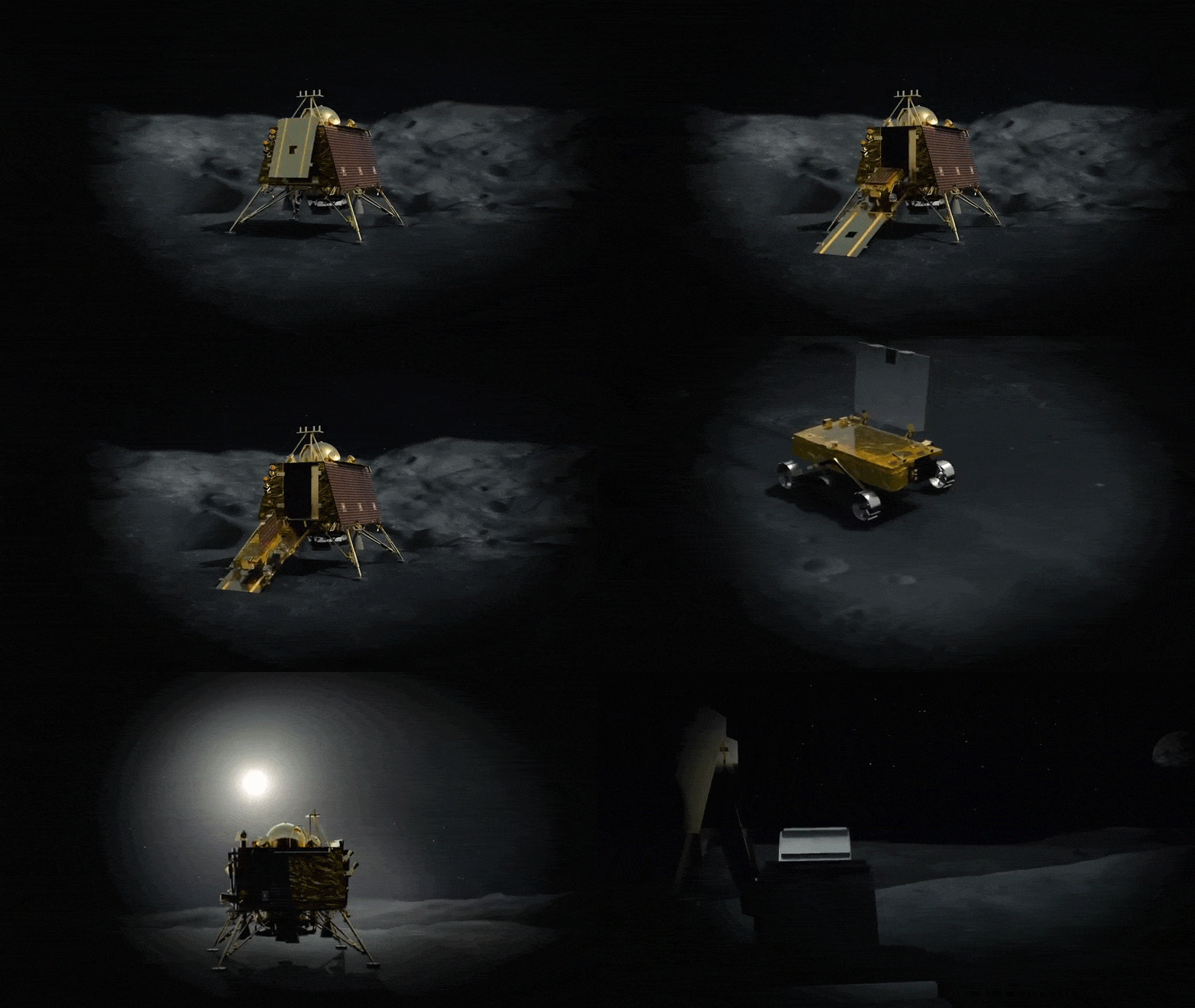
చంద్రయాన్ 2 ల్యాండర్ కు 'విక్రమ్' అని పేరు పెట్టారు.
విక్రం సారాభాయ్ శత జయంతి ఉత్సవాలను 12 ఆగస్టు 2019 నుండి 12 ఆగస్టు 2020 వరకు ఇస్రో నిర్వహించింది.
Today (August 12, 1919) is the Birthday of Padma Vibhushan Vikram Sarabhai, the father of the Indian space program, the founder of ISRO.


Vikram Ambalal Sarabhai was born on August 12, 1919 in Ahmedabad to a wealthy family. Her parents, Ambalal Sarabhai and Sarala Devi, were involved in the spinning industry. He could have developed into an entrepreneur if he had counted. But his passion was all about math and physics. He received his primary education at a Montessori school run by his parents. As the Sarabhai family was involved in the freedom struggle, Gandhi, Nehru, Tagore, Melalana Azad, Sarojini Naidu, C.V. Raman Leaders like have stayed at his house. So their impact was on him. He went to London for higher studies and returned to India due to World War II. While thinking of taking care of the family business, Sir CV Raman at the Indian Institute of Science, Bangalore. Joined as a researcher.

His interest in the natural sciences turned to astronomy. He set up observation centers across the country to study cosmic rays. He fitted self-made instruments at research centers set up in Bangalore, Pune and the Himalayas. When he returned home after completing his doctorate in London in 1947, India had achieved independence. Realizing that India’s future in the field of science should be better, he set up the ‘Physics Research’ Center in Ahmedabad. He established the first standardization laboratory for spinning mills in India. In 1955, he established physics laboratories at Gulmarg, Thiruvananthapuram and Kodaikanal in Kashmir.


He was also interested in the arts such as music, dance and film. He married the famous dancer Mirunalini. Together they started the ‘Darbana Academy’ for the arts. In 1957, the Soviet Union launched the first Sputnik 1 satellite into Earth orbit. He realized that satellites could carry out huge social and economic development activities such as communication, weather forecasting and exploration of natural resources. His Ahmedabad Physics Research Center was a pioneer in space science and space technology research.

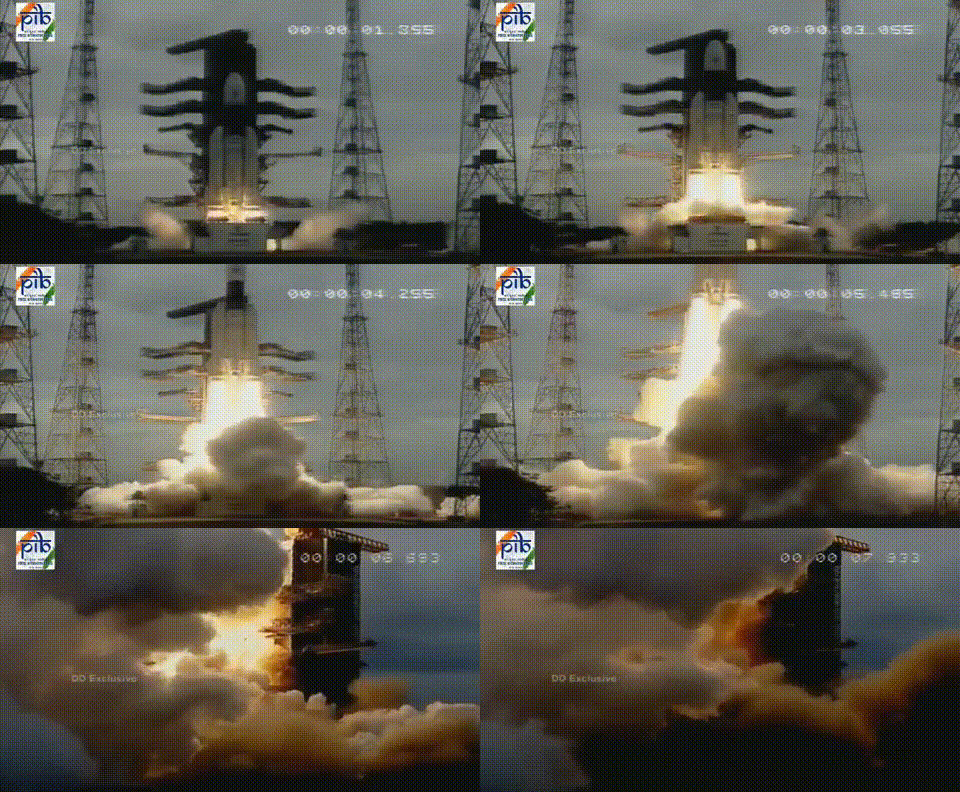
India's space revolution began on a small scale in 1963, when Russia and the United States first circled the spacecraft in manned spacecraft. On November 21 of that year, India's first twin spy missile, the Nike-Apache (Two Stage Sounding Rocket, Nike-Apache), took off from the Trivandrum Thumba launch site, crashing into the sky, tearing the sky and rising high against gravity. It carried a 50-pound Sodium Vapor Release Payload, reached an altitude of 125 miles and set its sights on India's space invasion. The selected Tumba Missile Center is located on Earth's Magnetic Equator, which is rocket-propelled.

“Many are questioning the purpose of a developing country doing space research. In this endeavor we are engaged in the same thought without both minds. We do not have the big dream of competing with rich countries in pursuit of vanilla, searching for meteors or manned spaceflight. But we will not be second to the world community in using progressive scientific and engineering techniques to solve human and social problems. We are determined to carry out a mission that makes sense nationally, ”said Dr. Vikram Sarabhai, a scientific genius who eloquently declared the mission of India's space program.

Vikram Sarabhai led the rocket technology. Aryabhata was absolutely responsible for launching India’s first satellite. He was a pioneer in the development of satellite television broadcasting in India. Through this he helped to educate 50 lakh people in 24 thousand villages. After the death of Homi Jahangir Baba, the father of Indian nuclear science, he was the head of the Indian Space Research Organization (ISRO) and expanded it further. He had a deep interest in science education. So he created social science centers across the country.

He was determined to adhere to the highest standards in the Indian medical field. He paved the way for the Indian medical profession to self-manufacture medicines and medical devices. He had high hopes for the youth. He cared to give them opportunities. He taught many people how to dream and how to make it come true. He established the Indian Institute of Management (IIM) in Ahmedabad for Indians to pursue higher education. Hard worker. He was easily accessible even in the highest positions. He greets everyone with a smile. He will overcome their fears and hesitations and address them equally. He was determined to preserve the dignity of individual human beings. Under his supervision, 19 people have done research and obtained doctoral degrees.

Vikram Sarabhai has published 86 research papers alone and with fellow researchers. He is considered the father of the Indian space program. In 1969 he received the Shanti Swarup Patnagar Award. He has received awards such as Padma Bhushan and Padma Vibhushan. Vikram Ambalal Sarabhai, the father of the Indian space program, passed away on December 30, 1971 at the age of 52 in Ahmedabad. Despite living for 52 years, Vikram Sarabhai has taken the country on the path of progress in various fields and is still shining today. In 1974, the International Astronomical Union in Sydney named Vikram Sarabhai after a crater in a crater in the Sea ofSerenity.


Comments
Post a Comment